
The 6 Categories of Lone Workers
WORK ALONE DEFINITION AND CATEGORIES

Table of Contents
The 6 categories of working alone
Why lone worker safety matters
Top risks faced by lone workers
Tools and technology for lone worker protection
Best practices for lone worker safety
How to protect lone workers: tools and resources
Lone Worker FAQs
How many people in your organization are defined “working alone”? Do you know?
Many companies don’t realize how many of their employees – whether on contract or work full-time – actually have some aspect of their job where they work alone. Working alone comes with it’s own unique set of hazards and challenges, so it’s important to be clear on the work alone definition and categories so your company can properly equip your staff with the tools they need to be safe.
Definition of working alone:
A worker is considered to be working alone if the worker works by himself or herself at a work site in circumstances where assistance is not readily available when needed.
The 6 categories of working alone
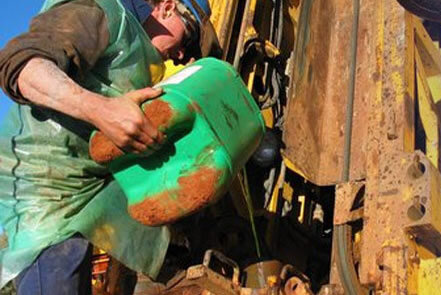
Category 1: Lone workers who do hazardous work away from the public:
such as field service operatives. These workers may be doing checks in remote locations, working in confined spaces, or separated from other operatives by physical barriers. The hazards they face may be very high risk when including the fact that assistance may not be readily available.
Category 2: Lone workers who travel away from the office and interact with their customers:
such as home care workers and social service workers. Employees in these situations may be at a heightened risk of experiencing violence in the workplace when interacting with new clients, or be in a vulnerable position during transportation to and from the office.

Category 3: Lone workers who travel alone but have no interaction with customers:
such as truck drivers. These workers could be at risk of accidents, injury or sudden emergencies that could be dangerous if no response is given.

Category 4: Lone workers who handle cash:
such as taxi drivers, and gas station attendants. These workers could also be at risk of violence in their workplace, including threats towards their person, robberies, or other dangerous behavior, that would need an emergency response

Category 5: Lone workers alone in at an isolated site:
such as security guards. These workers are at risk of violent attack by people or animals because their site is isolated from public view or in a very remote location. They could also be subject to other accidents that would need emergency response.

Category 6: remote and home-based lone workers
An employer has the same responsibility for the safety and health of employees regardless if they work from home. The employer should accept liablity for accident or injury of a worker who is working from home.
Why lone worker safety matters
Lone workers and people working in remote locations face unique hazards because help is not easily available. It matters because they require different safety measures and sometimes additional steps to ensure their protection. Failing to do so can lead to:
Increased risk of injury or fatality
Compliance violations and legal penalties
Increased operational costs from accidents/lost injury time
Negative impact on employee morale
Negative impact of company reputation
Top risks faced by lone workers
Understanding how lone workers face unique hazards, as well as the following lone worker risks is critical for compliance and safety. Lone worker hazards include:
Violence and assault
Accidents and slips, trips, and falls
Medical emergencies
Vehicle and travel accidents
Psychological stress and isolation
Tools and technology for lone worker protection
To prevent and mitigate these different safety risks and hazards, modern technology plays an important role through real-time monitoring, instant emergency alerts, and reliable compliance with safety regulations. Current safety technologies for lone worker safety include:
Lone worker safety apps which allow employees to easily check in, send messages and emergency alerts as well as their location.
Wearable safety devices like smart watches or panic buttons which allow quick emergency help request and signaling.
Two-way communication tools which allow easy, instant voice or text communication between lone workers and supervisors.
Automated check-in systems which easily allow and prompt lone workers to check in and confirm their safety with their employer and manager.
Best practices for lone worker safety
In addition to employing safety technologies for lone worker safety, organizations must also implement proactive safety practices to protect these employees. Some simple but effective safety practices for lone worker safety can include conducting hazard assessments prior to any work is done, establishing clear communication procedures for lone work, implementing a regular check-in schedule during their shift to confirm their safety, providing regular safety training, as well as monitoring your lone workers’ mental health and well-being – it's very important.
How to protect lone workers: tools and resources
Understanding work-alone definitions and categories is key to implementing effective safety measures for your lone workers. Use our lone worker safety solution app to monitor lone workers effectively, and explore our pricing options. Visit our FAQ page for additional information and learn about the benefits of our solutions. Equip your team with lone worker safety devices to ensure their well-being in all work-alone situations.
Read our related our article: What Does a Lone Worker Look Like?
Start protecting your lone workers today – try our safety app
Lone Worker FAQs
What is a lone worker and how are they defined?
A lone worker is anyone who performs job duties without direct supervision or immediate assistance nearby. This includes remote employees, field service workers, and those in isolated locations.
Why is lone worker safety important for employers?
Employers have a legal and ethical responsibility to protect lone workers. Failure to do so can lead to injuries, compliance violations, and increased operational costs.
What are the most common risks faced by lone workers?
Lone workers face hazards such as workplace violence, accidents, medical emergencies, vehicle incidents, and psychological stress due to isolation.
How can technology help protect lone workers?
Safety apps, GPS tracking, wearable panic buttons, and automated check-in systems provide real-time monitoring and emergency alerts to keep lone workers safe.
Does SafetyLine offer a lone worker safety app?
SafetyLine provides a comprehensive lone worker safety app that enables check-ins, emergency alerts, and location tracking to ensure compliance and worker protection.
What industries need lone worker safety solutions?
Industries such as healthcare, social services, non-profits, transportation, security, utilities, and remote work environments all require robust lone worker safety measures.