
Featured Resources
Lone Worker Policy Guide and Template
A lone worker policy is an effective way to ensure that your lone workers are well-educated on your company’s work-alone rules and have extensive knowledge of all workplace hazards that could be encountered on the job.

Hazard Assessment Guide
In the process of doing a hazard assessment for your workplace, it is almost a certainty you’ll learn information about the operational aspects of your organization you were unaware of before the assessment.
View eBook

Develop a Free Lone Worker Program for Small Teams
Developing a free lone worker check-in system is a simple process for small teams that any organization can implement.
View eBook
SafetyLine Blog Categories
General Safety | Lone Worker Safety | SafetyLine News and Updates | SafetyLine Product Updates | Compliance, Policy, and Regulations | Downloadable Resources |

How to Build a Business Case for a Lone Worker Safety Investment
Lone worker safety is far more complex than simply meeting regulatory requirements — it requires thoughtful investment, deliberate execution, and clear, measurable outcomes that can be tracked over time, alongside consultation with employees and stakeholders. This blog will show you how to build a clear, data‑driven business case for a lone worker safety investment that organizational leaders can support, linking safety outcomes to operational and financial return on investment (ROI) as the foundation of a strong proposal.
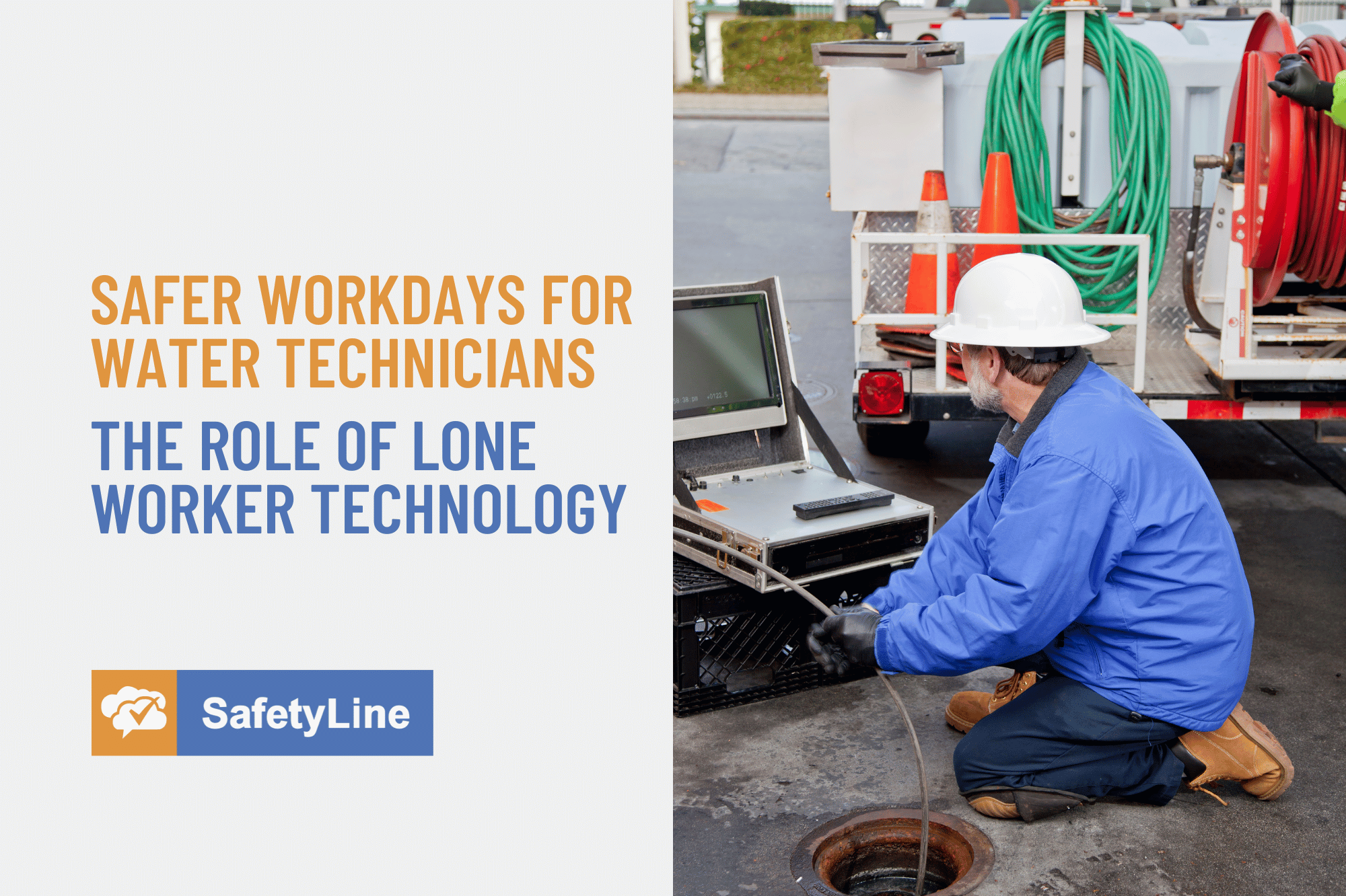
Safer Workdays for Water Technicians: The Role of Lone Worker Technology
Cities rely on vast networks of water infrastructure to support homes, businesses, and everyday life. Behind the scenes, skilled water technicians work tirelessly to ensure that clean, safe water flows where it’s needed—and that wastewater is treated responsibly. These professionals operate in a variety of roles across urban facilities, including:

Implementing SafetyLine With Your Existing Lone Worker Safety Protocols
These manual check-ins are problematic because they are at risk of human error, and employees will sometimes need to remember to check-in. Likewise, an employer will only notice if a lone worker checks in to confirm they are okay. This risk is exceptionally high in larger organizations where managers may need to keep track of teams larger than 30+ people – it can be challenging and prone to mistakes using traditional methods such as spreadsheets to keep track.

What SafetyLine Users Are Saying: Lone Workers in Healthcare and Government
The types of organizations and industries that use SafetyLine to protect their remote workers range from healthcare and legal services to agriculture and government at all levels - and yes, those working at home can be considered lone workers. In the first of a three-part series, here are what our grateful SafetyLine users are saying about the service as well as how it has improved the safety and wellness of their remote teams, helping protect their most valuable resource – their people.